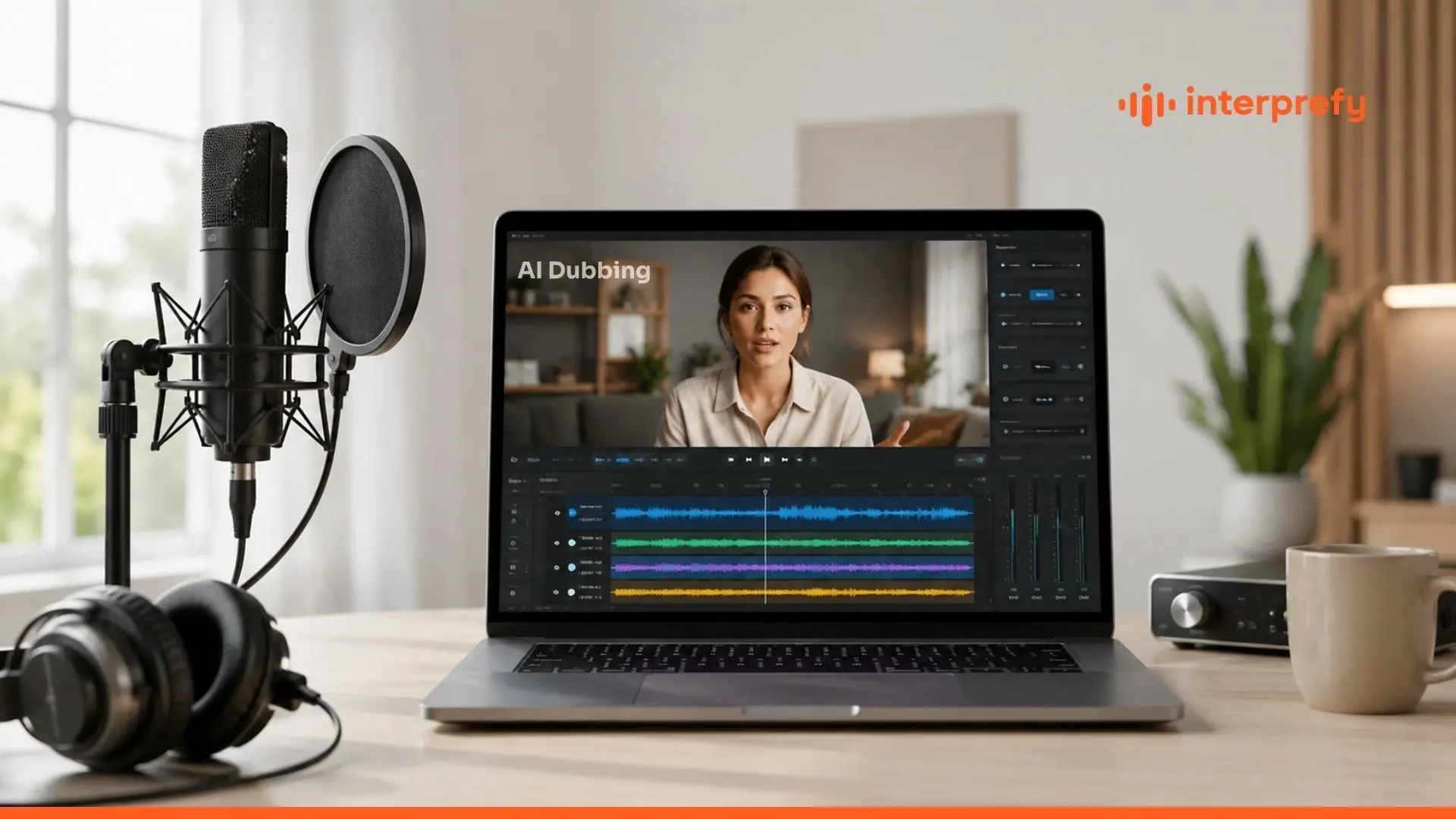
Picture a training video recorded once in English that a global workforce needs in ten languages by Friday. A decade ago, that request meant hiring voice actors, booking studio time, and waiting weeks for each language. Today, it can mean uploading a file and downloading a dubbed version in hours. This shift is powered by AI dubbing.
5 min read
What Is AI Dubbing and How Does It Work?
Topics: AI & Live Machine Translation Enterprise & Institutional Events
5 min read
Best Live Translation Apps for Events in 2026
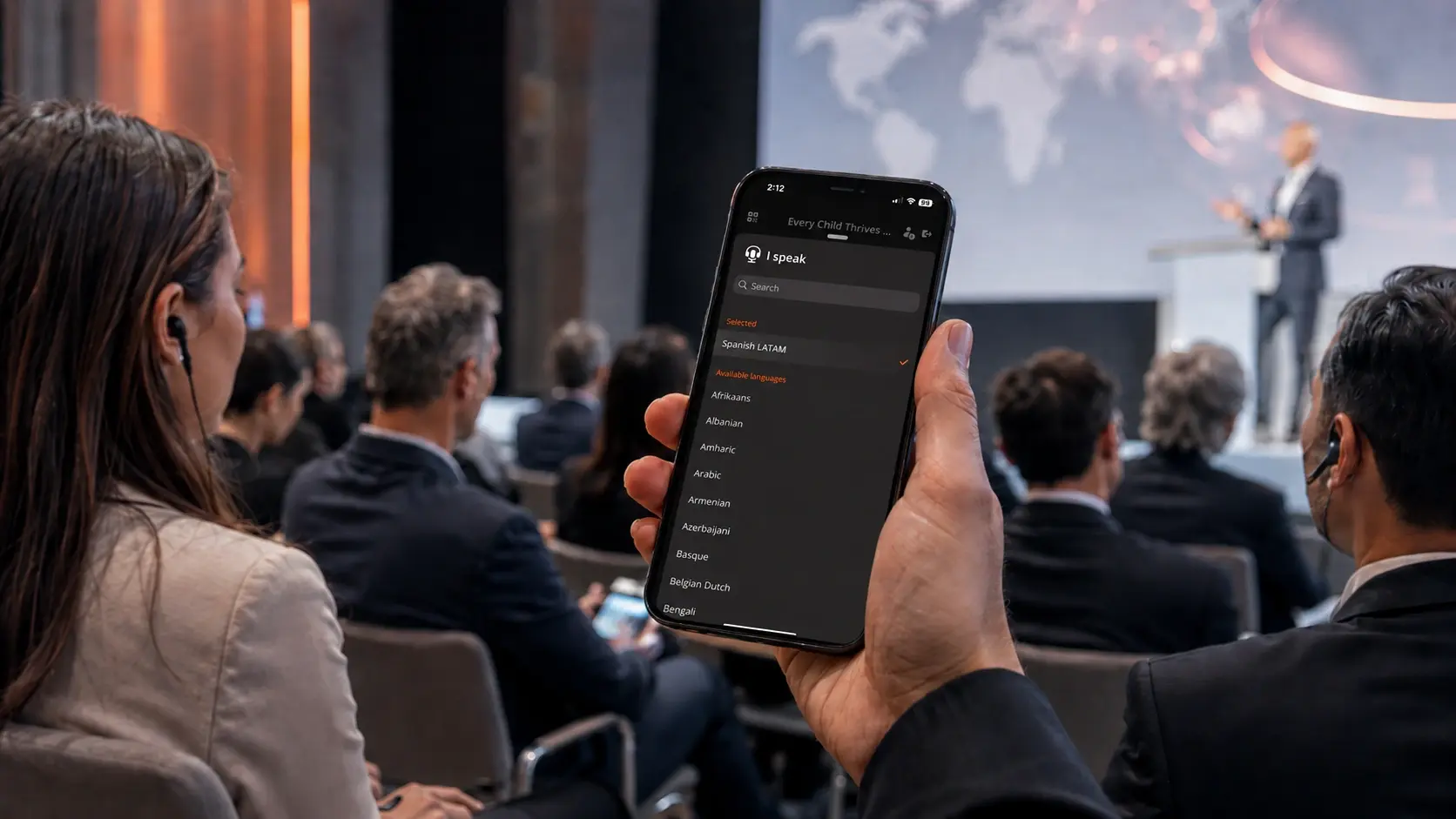
Picture a product launch with attendees joining from twelve countries, each expecting to follow along in their own language without a hitch. A few years ago, delivering that experience meant booking interpreters, installing booths, and hoping the technology held up on the day. Now it often means choosing the right app.
Topics: AI & Live Machine Translation Event Planning and Hybrid Events
4 min read
Top 8 Hidden Causes of Multilingual Meeting Breakdowns

A meeting can look successful in the moment and still fail the people in it. Everyone nods, the agenda gets through, and the call ends on time. Then the follow-up emails arrive, and it becomes clear that half the room understood something different from what was said. In multilingual settings, this gap is rarely caused by a single dramatic failure. It tends to come from a handful of small, hidden weaknesses in the speech translation platform and the way it is set up.
Topics: AI & Live Machine Translation Event Planning and Hybrid Events
5 min read
Audio Translation Services Pricing: A Buyer's Guide

Quoting audio translation can feel like comparing apples to oranges. One provider prices by the minute, another by the language pair, a third bundles everything into a flat event fee. For an events manager trying to budget a multilingual conference or hybrid town hall, the lack of a standard pricing model makes it hard to know whether a quote is reasonable before you've gathered several.
Topics: AI & Live Machine Translation Event Planning and Hybrid Events
12 min read
What Is Real Time Translation — And Why Does It Matter for Your Events and Meetings?
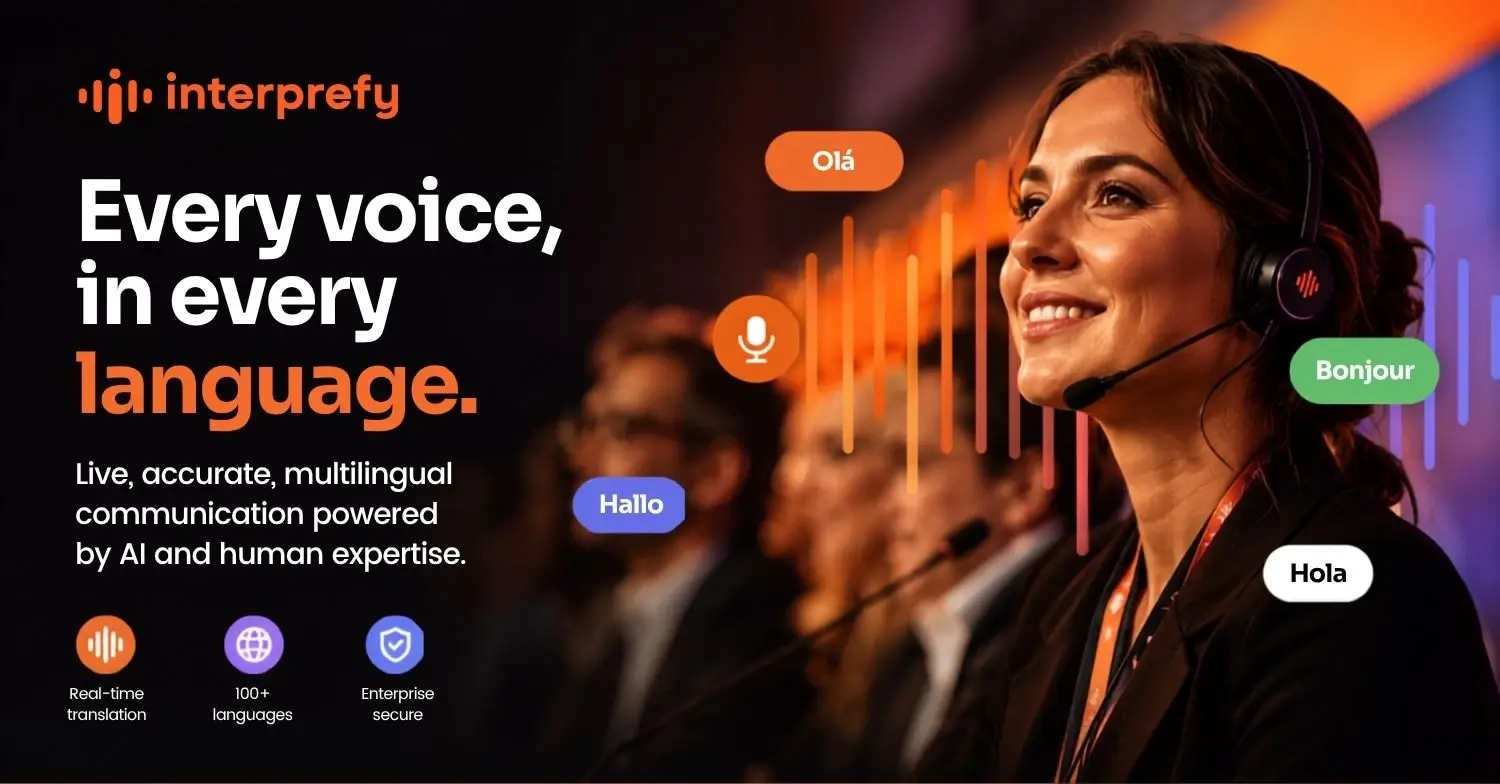
Think about the last large event you attended or organised. How many of the people in that room — or joining virtually from around the world — were expected to simply follow along in a language that wasn't their own?
Topics: AI & Live Machine Translation Event Planning and Hybrid Events
7 min read
Why Remote Interpretation Services Unlock Better Thinking
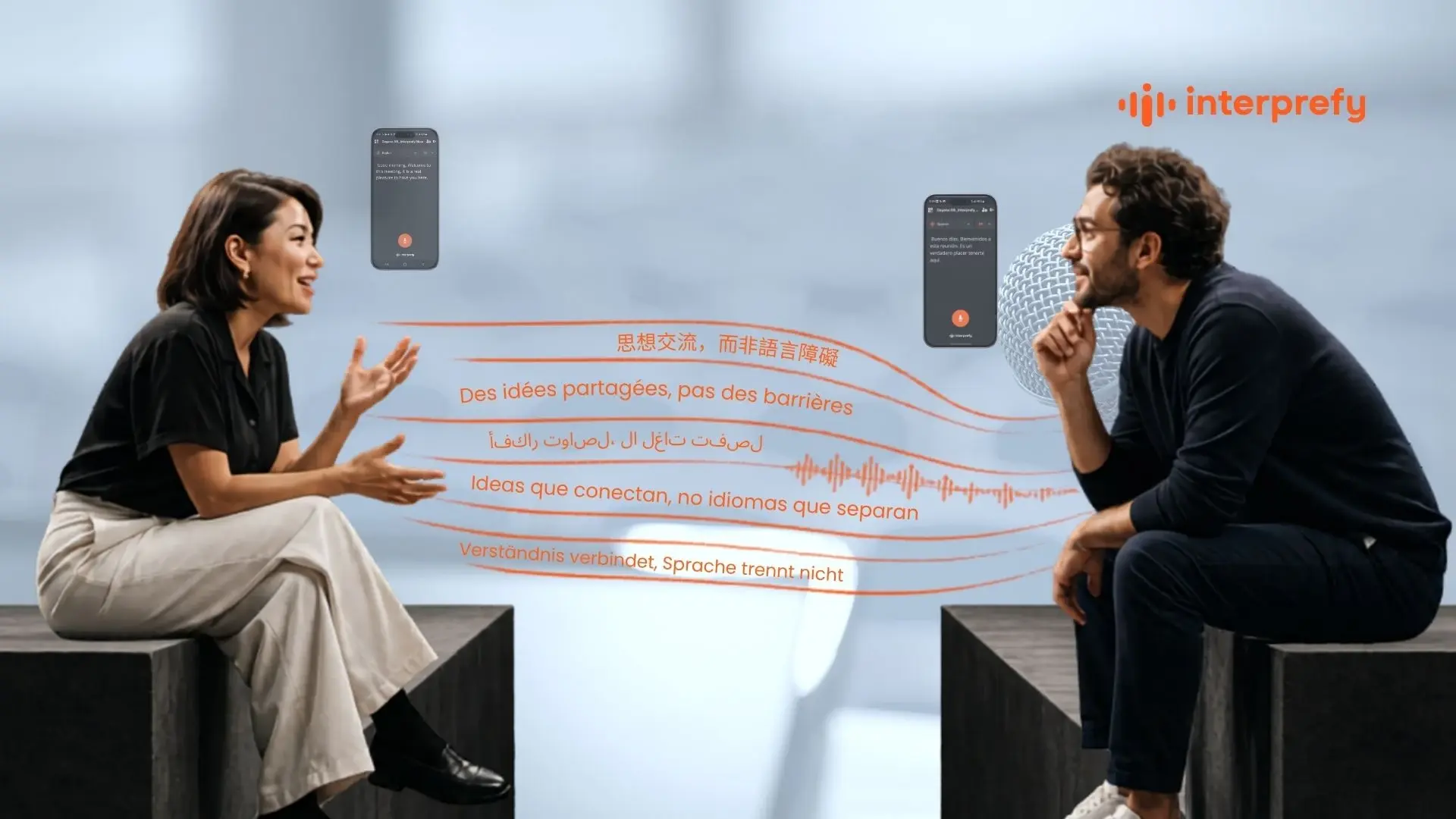
Global events are designed to bring the best ideas into one room. But when that room operates in one language only, many attendees are not participating at full capacity.
They may understand the presentation. They may follow the discussion. They may even speak the event language well. But understanding is not the same as thinking freely, responding confidently, or contributing with nuance.
Topics: AI & Live Machine Translation Interpreters & Professional Services
4 min read
Speech To Speech Translation: What It Is And When To Use It
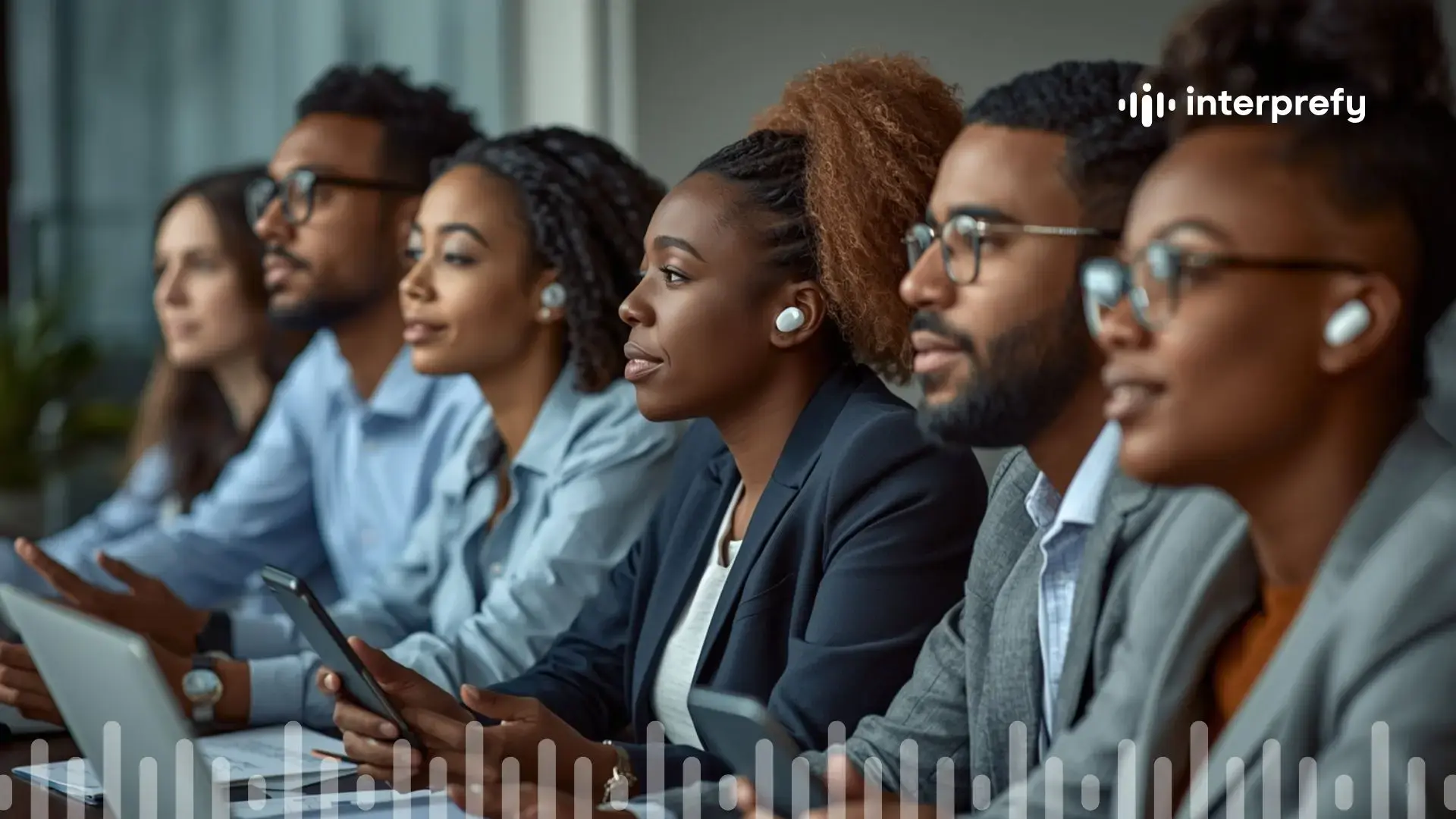
Speech to speech translation is the process of converting spoken words in one language into spoken words in another language. Instead of asking participants to read translated text, the system delivers translated audio that helps people follow a meeting, event or presentation in their preferred language.
Topics: AI & Live Machine Translation Event Planning and Hybrid Events
7 min read
The EU AI Act and AI Speech Translation: Why Transparency Matters for Multilingual Events

The European Union Artificial Intelligence Act (EU AI Act) is changing how organisations think about artificial intelligence. For businesses using AI speech translation, AI-powered live captions, subtitles or post-event AI-translated recordings, transcripts or summaries in meetings and events, the key question is no longer only “does it work?” It is also “is it clear, responsible, compliant, and appropriate for the setting?
Topics: Live Captions AI & Live Machine Translation Accessibility & Compliance
7 min read
Global Reach in 2026: Trends in Multilingual Communication

In 2026, global reach is no longer measured only by audience size. Instead, it is defined by how well organisations communicate across languages in real time, across channels, and at scale.

 Download from the App Store
 Download from Google Play
 More download links