
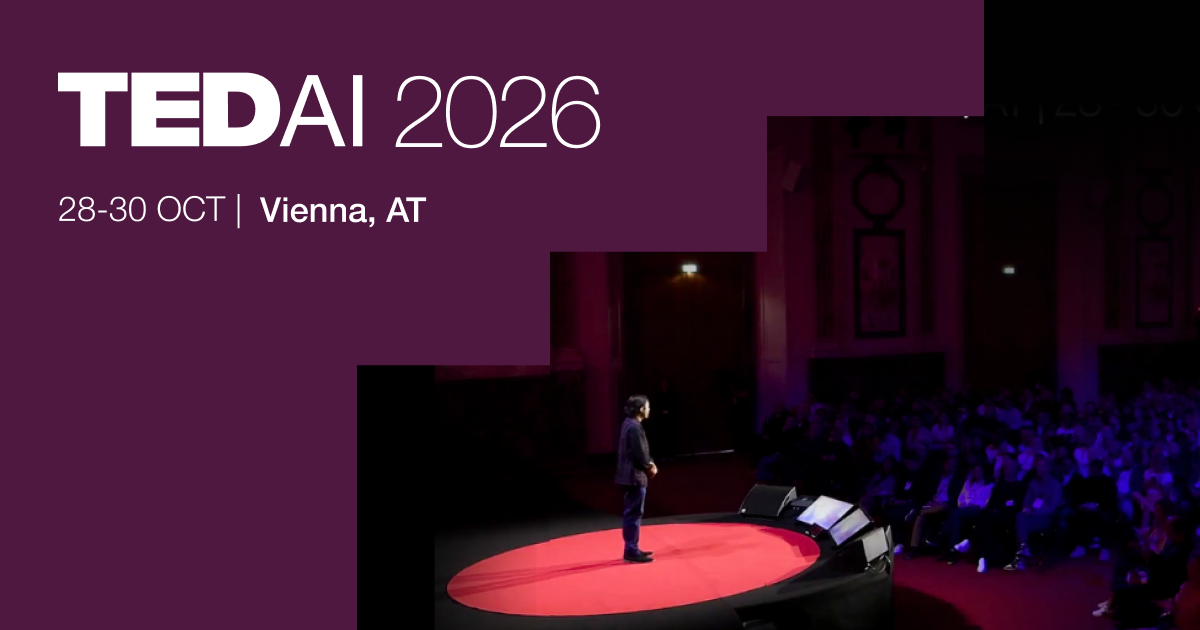

Nowadays, as globalisation and the internet continue to expand, it is increasingly uncommon to host an event (whether a meeting, conference, corporate town hall, hybrid webinar, or summit) where everyone involved speaks the same language. On the contrary, most meetings, whether high- or low-stakes, bring together people from diverse linguistic and cultural backgrounds.
Yet many event organisers still default to a single language — often English — under the assumption that "most participants will understand it." This assumption is not only exclusionary for participants who may feel inhibited or lost in the conversation; it also carries hidden costs for organisations and the outcomes of the event. As language partners such as Interprefy have seen time and again, opting out of full multilingual support is, in reality, a business risk.
In this article, we examine what organisers truly lose when they fail to leverage multilingual technology — in reach, engagement, brand value, and long-term return on investment.
Lost Reach and Revenue
The loss begins even before the meeting or event starts. When organisers decide to ignore language diversity and offer or facilitate only one language, particularly a lingua franca like English, a large proportion of potential attendees may simply refrain from registering or attending, or, if they do, disengage early or drop off before the end. Despite English being the most used language in the world, only a small fraction of the world population speaks it (just over 18.5%). This reality makes "English-only" events a major constraint rather than an opportunity for expansion and inclusion.
By contrast, multilingual access is a business generator and a growth driver, and it also helps address the increasingly important topic of compliance. It opens doors to broader geographies, markets, and communities.
For ticketed events, fewer registrations due to monolingual offerings translate directly into lost revenue. For sponsors, exhibitors, or partners, lower attendance dilutes the value proposition. For internal meetings, operating in a single language can reduce clarity and weaken alignment and decision-making. And for organisers hoping to extend an event’s footprint internationally, a single-language format effectively caps the size and diversity of the audience.
From a financial and strategic standpoint, what may appear as a neutral choice (going monolingual) often amounts to leaving money on the table.
Reduced Engagement and Suboptimal Outcomes
But it’s common to look at your attendee list and think, "they all speak, or at least understand, English." However, even for non-native speakers, the absence of interpretation or real-time captions in their own language can, to a greater or lesser extent, hinder their ability to comprehend, engage, and contribute. The result is quieter Q&As, fewer contributions in polls or networking sessions, and lower overall interactivity. Attendees who struggle linguistically are less likely to stay for the full schedule, less likely to absorb complex information, and less likely to engage meaningfully with the content, effectively diminishing the value delivered by the event.
Moreover, for hybrid or virtual formats where audiences are spread across countries or regions, the risk of disengagement is amplified. Those who do not speak the main language may feel sidelined, unable to follow sessions, or excluded from meaningful interaction.
The consequence is not just lower satisfaction, but weaker outcomes overall, including less knowledge sharing, fewer leads captured, and a reduced long-term impact of the event.

Damage to Brand Perception, Inclusion and Accessibility
One-off monetary loss is not the worst consequence of an organisation choosing to remain monolingual. If we factor in your brand's reputation, that loss can turn into a long-term challenge. In 2025, compliance legislation rose sharply across the world, and global organisations are now increasingly judged on inclusivity, accessibility, and cultural awareness, whether by clients, partners, regulators, or employees.
Offering language-restricted events can send the wrong signal. By failing to provide multilingual access, organisers risk alienating large segments of their audience or conveying that non-native speakers and multilingual communities are secondary.
This can harm brand credibility, particularly for organisations that operate internationally or claim to value diversity and inclusion. It can also undermine public commitments to accessibility, an area that is increasingly scrutinised, especially in regulated sectors or among institutions striving for compliance and equal stakeholder representation.
In short, not providing language access is no longer merely an oversight. It can be interpreted as a lack of respect or consideration, and in some cases, as a failure to meet legal or regulatory obligations, resulting in formal complaints, regulatory investigations, financial penalties, exclusion from public tenders, or mandated corrective actions.
Related Article:
The Ultimate 2025 Guide to Accessibility Mandates for Multilingual Events
Wasted Content and Limited Legacy Value
The cost isn't only immediate. Many events today produce content — recordings, transcripts, replays, media assets — intended for reuse. But if language access is insufficient, these assets become linguistically locked. A one-language recording limits the usefulness of post-event content to those who understand that language. It reduces the potential audience for on-demand replay, drastically limits accessibility, and hampers reuse across different markets or regions.
By contrast, events that integrate multilingual interpretation, AI-powered captions or live translations extend the shelf-life and reach of their content. They unlock opportunities for global outreach, regional engagement, broader dissemination in different languages — all without having to re-run the event.
Related Article:
Why Multilingual Communication Is Key to Remote and Hybrid Teams
The (False) Economy of Skipping Multilingual Tech
Some organisers may justify going monolingual on the grounds of cost or complexity — after all, traditional simultaneous interpretation has long been associated with expensive booths, travel, equipment rental and coordination. However, companies like Interprefy have transformed this dynamic.
Interprefy’s cloud-based solution — leveraging remote simultaneous interpretation (RSI), AI speech translation and live captions — makes multilingual delivery cost-effective, flexible and scalable, for virtually any event size or format. Interprefy’s platform is browser-based (or accessible via mobile app), requires no bulky on-site hardware, and removes the need for interpreter travel and accommodation — dramatically lowering the entry barrier for multilingual events.
When compared to the scale of lost registrations, diminished engagement, reputational damage, and limited content reuse — the fraction of budget needed to enable multilingual access ends up being a wise investment, not an optional "nice to have."
The Real Cost of Inaction: A Strategic Reckoning
Putting it all together: the real cost of not using multilingual technology is rarely visible during planning — but becomes painfully clear after the fact. It shows up as lower-than-expected attendance numbers, quiet audiences, missed revenue targets, content assets with limited reach, and a brand perceived as exclusive or unwelcoming.
For organisations operating on a global scale, or that want to build long-term relationships across markets, these losses accumulate fast.
Using multilingual technology is not simply a logistic or operational choice — it is a strategic decision that affects the fundamental value, inclusivity and legacy of your events.
Conclusion: The Cost of Not Acting Is Far Higher Than You Think
Deciding against multilingual technology may seem like a cost-saving decision — but it is often a false economy. The hidden costs in reach, engagement, content value, and brand trust can easily outweigh any savings.
For event organisers, choosing cloud-based multilingual solutions means choosing inclusivity, reach, efficiency and long-term ROI. As teams, sponsors, partners, and audiences become increasingly multilingual, language access should no longer be viewed as optional — but as a baseline for success.
With providers like Interprefy offering robust, scalable, enterprise-grade multilingual infrastructure, the barriers to delivering truly global, accessible, and impactful events have never been lower.
Investing in multilingual technology isn't just about translation — it's about unlocking the full potential of your events.



 Download from the App Store
 Download from Google Play
 More download links